Handcrafted Malas: A Journey into Mindfulness

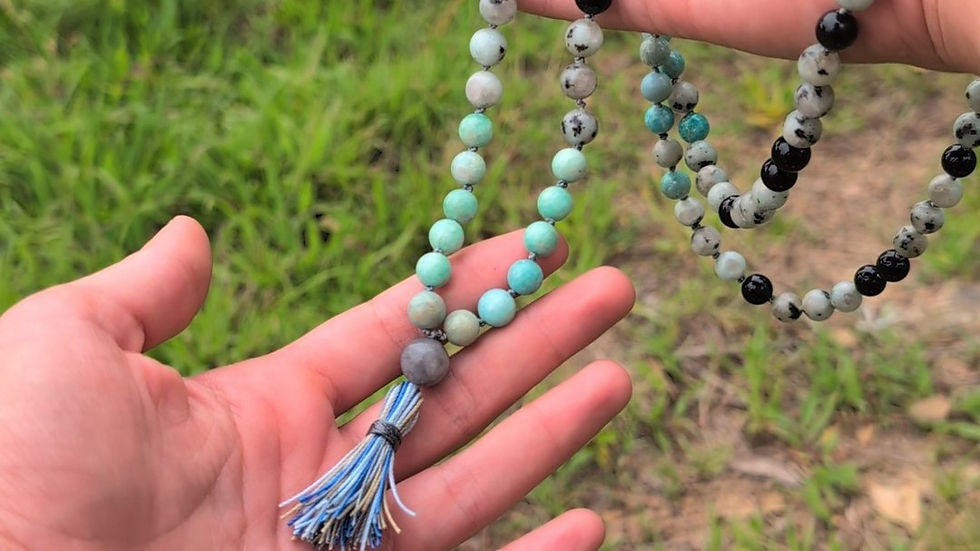
In a world that often feels chaotic and overwhelming, finding moments of peace and mindfulness can be a challenge. One beautiful way to cultivate this sense of calm is through the use of handcrafted malas. These traditional prayer beads not only serve as tools for meditation but also carry deep cultural significance and personal meaning. In this blog post, we will explore the history, significance, and benefits of using handcrafted malas, as well as how to choose the right one for your journey into mindfulness.
The History of Malas
Malas have a rich history that dates back thousands of years. Originating in India, these prayer beads were initially used in Hinduism and Buddhism for meditation and prayer. The word "mala" itself means "garland" in Sanskrit, symbolizing the connection between the physical and spiritual realms.
Cultural Significance
In various cultures, malas are not just tools for meditation; they are also considered sacred objects. Each bead represents a mantra or intention, helping practitioners focus their thoughts during meditation. The traditional mala consists of 108 beads, a number that holds spiritual significance in many Eastern religions. The practice of using malas has spread globally, with many people incorporating them into their spiritual practices, regardless of their religious background.
The Benefits of Using Handcrafted Malas
Handcrafted malas offer numerous benefits, both for meditation and daily life. Here are some of the key advantages:
1. Enhanced Focus and Concentration
Using a mala during meditation helps to anchor your thoughts and maintain focus. As you move from bead to bead, you can recite mantras or affirmations, which can deepen your meditation practice and enhance your concentration.
2. Stress Relief
The act of counting beads can be calming and grounding. It provides a tactile experience that can help reduce anxiety and stress. Many people find that incorporating a mala into their daily routine allows them to take a moment for themselves, promoting relaxation and mindfulness.
3. Personal Connection
Handcrafted malas are often made with intention and care. When you choose a mala that resonates with you, it becomes a personal symbol of your journey. Whether it’s made from specific stones or crafted by a particular artisan, your mala can hold unique meaning and energy.
4. Aesthetic Appeal
Beyond their spiritual significance, handcrafted malas are beautiful accessories. They can be worn as necklaces or bracelets, allowing you to carry a piece of mindfulness with you throughout the day. The natural materials used in these malas often create stunning visual displays, making them a fashionable choice as well.
Choosing the Right Mala for You
Selecting the perfect mala can be a deeply personal experience. Here are some factors to consider when choosing your handcrafted mala:
1. Material
Malas can be made from a variety of materials, including:
Natural stones: Each stone carries its own unique properties and energies. For example, amethyst is known for its calming effects, while rose quartz is associated with love and compassion.
Wood: Traditionally, malas are made from sandalwood or rudraksha seeds, both of which are believed to have spiritual significance.
Crystal: Crystals can amplify the energy of your intentions, making them a popular choice for those looking to enhance their meditation practice.
2. Number of Beads
While the traditional mala has 108 beads, you may also find malas with 54 or 27 beads. The number of beads can affect your meditation practice, so consider what feels right for you.
3. Design and Aesthetics
The design of your mala should resonate with you personally. Whether you prefer a simple, minimalist design or a more elaborate one with intricate details, choose a mala that reflects your style and personality.
4. Intention
Think about what you want to achieve with your mala. Are you looking for stress relief, clarity, or a deeper connection to your spiritual practice? Your intention can guide you in selecting the right mala that aligns with your goals.
Caring for Your Mala
Once you have chosen your handcrafted mala, it’s important to care for it properly to maintain its energy and integrity. Here are some tips for caring for your mala:
1. Cleansing
Regularly cleanse your mala to remove any negative energy it may have absorbed. You can do this by:
Smudging: Pass your mala through the smoke of sage or palo santo.
Water: Rinse your mala under running water, but be cautious with materials that may be damaged by water.
Sunlight or Moonlight: Place your mala in sunlight or moonlight for a few hours to recharge its energy.
2. Storage
Store your mala in a safe place when not in use. Consider using a soft pouch or box to protect it from damage. Avoid placing it in areas where it may get tangled or crushed.
3. Handling
Be mindful of how you handle your mala. Avoid wearing it while engaging in physical activities that may cause it to become damaged. Treat it with respect, as it is a tool for your mindfulness practice.
Incorporating Malas into Your Daily Life
Handcrafted malas can be integrated into your daily routine in various ways. Here are some ideas to help you incorporate your mala into your life:
1. Daily Meditation Practice
Set aside time each day to meditate with your mala. Use it to count your breaths or recite mantras, allowing it to guide you into a state of mindfulness.
2. Mindful Moments
Whenever you feel overwhelmed or stressed, take a moment to hold your mala. Focus on the beads and take deep breaths, allowing yourself to reconnect with the present moment.
3. Affirmations
Use your mala as a tool for affirmations. As you move through the beads, repeat positive affirmations that resonate with your goals and intentions.
4. Gifts for Others
Consider gifting a handcrafted mala to a friend or loved one. It can be a meaningful gesture that encourages them on their own journey of mindfulness.
Conclusion
Handcrafted malas are more than just beautiful accessories; they are powerful tools for cultivating mindfulness and enhancing your spiritual practice. By understanding their history, benefits, and how to choose the right one, you can embark on a journey of self-discovery and peace. Whether you are a seasoned meditator or just beginning your mindfulness journey, a mala can serve as a constant reminder to stay present and connected to your intentions. Embrace the beauty and significance of handcrafted malas, and let them guide you toward a more mindful life.
Comments